Securly Now Blocks Google AI Overviews for 20 Million K-12 Students
Securly's Restrict AI Mode now blocks Google AI Overviews, not just AI Mode, giving 1,806 districts in 39 states control over AI answers in student searches.
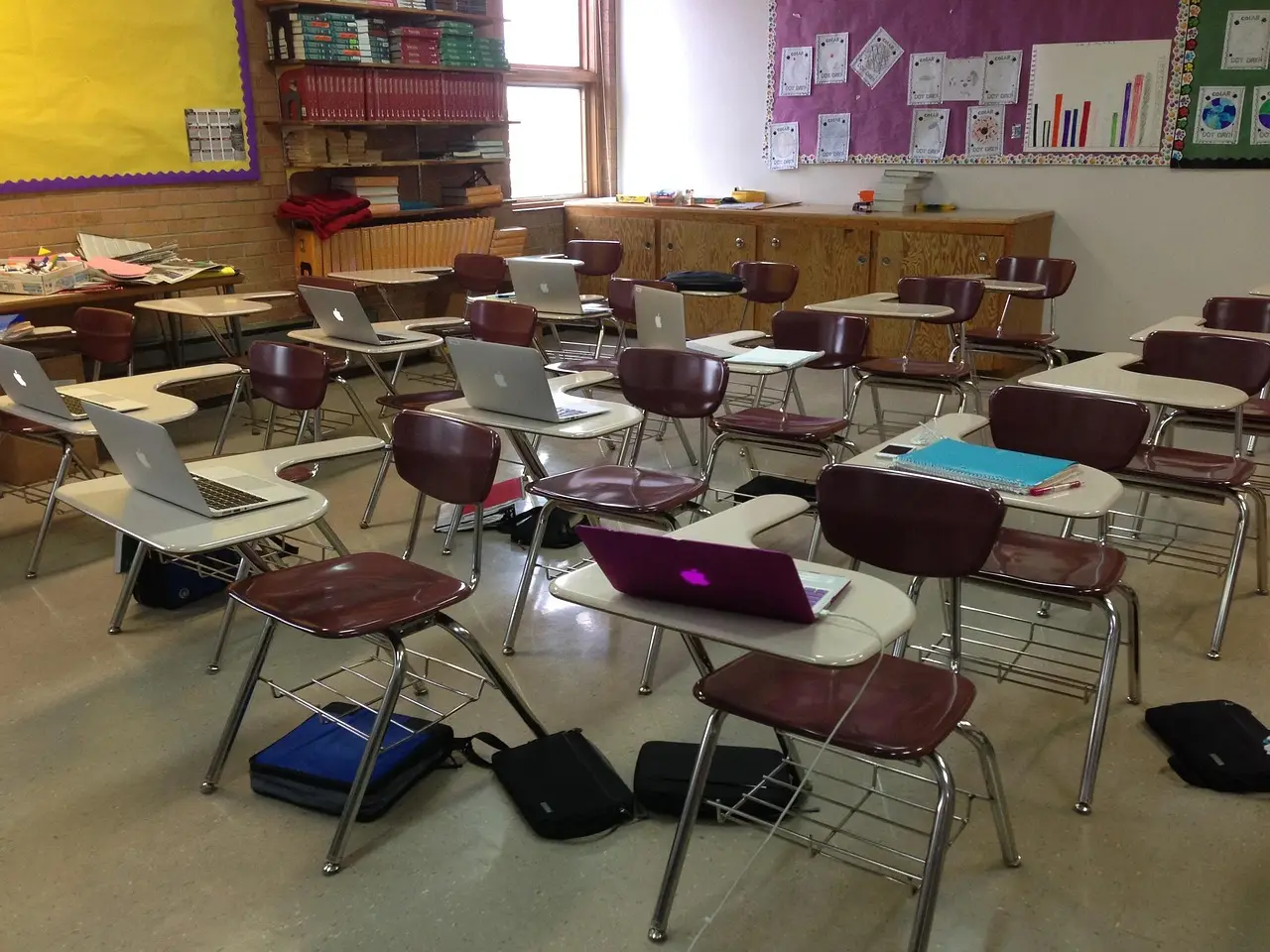
- On November 4, 2026, Securly expanded Restrict AI Mode to block Google AI Overviews in addition to AI Mode.
- Between December 2025 and October 2026, Securly AI Transparency tracked over 6.2 million student AI conversations across 1,806 districts in 39 states.
- Securly says it protects over 20 million students across 27,000 schools and manages 14 million school-issued devices.
- Images, Videos, News tabs and SafeSearch remain unaffected by the blocking setting.
- CTO Spence Mallder said districts, not search engines, should decide when AI appears in front of students.
Securly's "Restrict AI Mode" setting now blocks Google AI Overviews in K-12 districts, closing a gap that let AI-generated summaries reach students on ordinary searches. The company announced the change on November 4, 2026. The setting already blocked Google's AI Mode; it now hides both AI surfaces at once.
What does the update actually block?
Google places AI content in two spots. AI Mode is a chat-style search experience. AI Overview is a summary that appears automatically at the top of results on the All tab.
The second surface created the problem. AI Overviews attach to standard searches, so students in districts that blocked AI tools could still see AI-written answers. When Restrict AI Mode is on, Securly Filter hides or redirects students away from AI Mode and AI Overviews, depending on the filtering method. Students then receive standard Google results without AI summaries.
Other Google search options survive the restriction. Images, Videos, and News remain available, and SafeSearch settings stay unaffected. That is the confirmed product behavior from Securly's announcement.
Who decides when students see AI answers?
Securly's framing is direct: the district, not the search engine, should control AI exposure.
"Since Google introduced AI summaries, districts who want to restrict AI usage have had to take time away from serving students to find solutions to block this feature. A search engine shouldn't decide when AI shows up in front of students; districts should," said Spence Mallder, Securly's Chief Technology Officer.
He added: "This update lets a school that has blocked AI, keep it blocked, and lets a school that's ready open it up for the classes that need it."
Administrators toggle the setting per policy in the Filter Policy Editor. A district can disable Google's AI features for younger students while enabling them for an older class. It can revise that decision as its AI guidance evolves.
The takeaway: granularity sits at the policy level, not the individual student level.
What visibility do districts get into AI use?
For tools districts allow, Securly AI Transparency reports student AI use across Gemini, ChatGPT, and other ed-tech AI platforms. Administrators can:
- View usage by school, grade, or classroom
- Set guardrails on AI conversations
- Flag concerning conversations for review
The company supplied one concrete figure. Between December 2025 and October 2026, AI Transparency gave 1,806 districts in 39 states visibility into more than 6.2 million student AI conversations.
That number covers districts using Securly, not the K-12 market at large. Treat it as a vendor-reported adoption metric. The announcement does not say how many conversations triggered flags or reviews.
How large is Securly's footprint?
Securly states it protects over 20 million students across 27,000 schools. The company says it manages more than 14 million school-issued devices and reviews 75 million student digital activities daily. All products meet FERPA and COPPA compliance requirements, and the company holds SOC 2 certification.
These are vendor figures in a press release, not audited numbers. They do establish scale: a policy change here touches a meaningful share of US school-issued search traffic.
Why does this matter for search watchers?
AI Overviews now reach users who never opted into them, and K-12 was among the first segments to push back at scale. Securly's update shows a third party can suppress Google's AI surfaces through filtering rather than Google's own controls.
Note what the announcement does not say. It does not claim Google endorses the blocking. It does not quantify how AI Overviews affected student outcomes. It does not detail how the redirect behaves across every filtering deployment.
The takeaway: the blocking works at the network layer, and its durability depends on how Google serves AI content going forward.
Districts should watch two things next: whether Google changes how AI Overviews render in ways that complicate filtering, and whether other safety vendors match Securly's per-grade AI controls.
via securly.com (Original)
More from Elena Vasquez
Show full bio
Correspondent covering people, launches and day-to-day practice in Search rankings and algorithm updates, generative engine optimization at SERP Journal.
225 articles