Trivago Files German Antitrust Suit Against Google Over Search Practices
Trivago filed an antitrust suit against Google in Germany over hotel search practices, escalating a long-running dispute about how the search giant ranks third-party travel services. PYMNTS.com reported the filing.
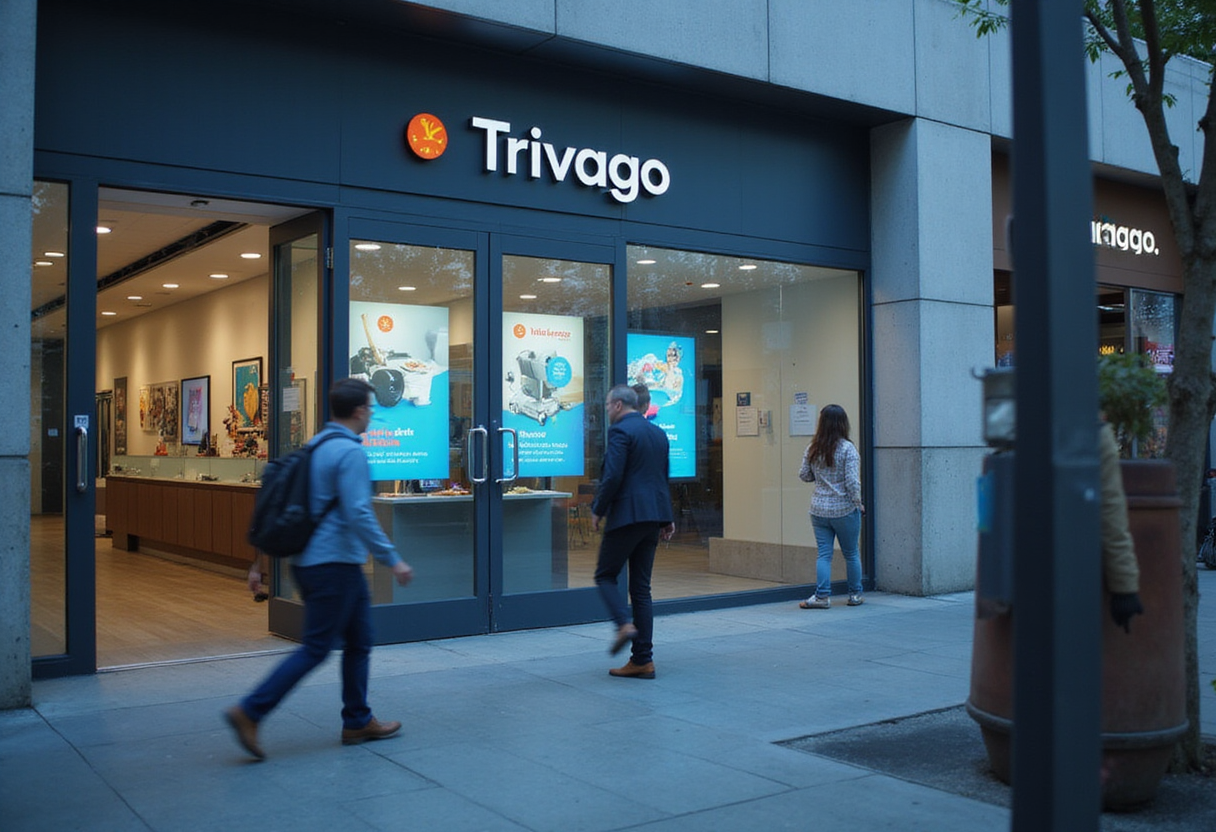
- Trivago filed an antitrust lawsuit against Google in Germany, as reported by PYMNTS.com.
- The complaint targets Google's general-search treatment of third-party hotel and travel services.
- Trivago's revenue model depends on Google sending qualified users to online travel agencies and hotel booking pages.
- Germany's Bundeskartellamt has been among Europe's most active platform regulators and has applied Section 19a of the GWB against US tech firms.
- German competition cases typically run 18 to 36 months before any substantive ruling.
Trivago has filed an antitrust lawsuit against Google in Germany, escalating the hotel metasearch engine's long-running dispute with the search company over how travel results rank and display. PYMNTS.com reported the filing.
The complaint targets Google's "general search" treatment of third-party hotel and travel services, according to PYMNTS.com. Trivago earns most of its revenue by sending qualified users to online travel agencies and hotel booking pages; Google's results pages are the dominant gateway to that traffic in Germany and across Europe.
The PYMNTS.com report did not include the named court, the specific Google entity, or any quantified damages claim in its headline. Those details will surface as the case moves through German procedure.
Why this case, why now
Hotel search is the original "vertical" Google built into its main results page. The company operates Google Hotels, runs its Hotel Ads program, surfaces booking modules directly inside the SERP (search engine results page), and — through Maps — controls the location data hotel listings depend on. Each of those surfaces competes with what Trivago, Kayak, and other metasearch engines historically offered as standalone products.
For Trivago specifically, the pressure has been visible for years. The company's revenue growth slowed sharply after 2017 as Google Hotels absorbed a rising share of hotel-intent queries. A formal German antitrust action gives Trivago a venue to argue that Google's integration of its own hotel product into general search is a tying arrangement — a bundling practice that forces users to take Google's product in order to use general search — not a neutral ranking improvement.
What German regulators can actually do
Germany's Federal Cartel Office (Bundeskartellamt) has been among Europe's most active platform regulators. The Bundeskartellamt has opened formal proceedings against Google over data terms and ad-tech in recent years and has been quicker than several peer regulators to apply Section 19a of the German Competition Act (GWB) — the framework for policing conduct by firms of "paramount significance for competition across markets."
If the Bundeskartellamt takes up the complaint, the agency could open its own sector inquiry into hotel search. If the case proceeds in civil court — as some German competition actions do — Trivago could seek injunctive relief, a court order forcing Google to alter the layout or ranking of competing hotel services.
Either path produces a more concrete evidentiary record than the European Commission's broader antitrust work on Google, which has run more than a decade without producing a hotel-specific remedy.
Vertical-by-vertical impact
For SEO (search engine optimization) practitioners, the case is a signal worth watching beyond travel. Google's pattern of inserting first-party product blocks above organic results runs identically in flights, shopping, local services, and job search. A Trivago win on the tying argument would be cited by competitors in each of those verticals. A narrow procedural loss would let Google continue integrating vertical modules without further disruption.
For site operators in the hotel vertical, expect no immediate ranking change. German competition cases typically run 18 to 36 months before any substantive ruling, and any remedy would target Google's product design rather than its ranking algorithm.
What to monitor next
Watch for the named defendants, the specific Bundeskartellamt or court filing, and the relief Trivago is requesting. Watch whether Booking Holdings, Expedia Group, or Tripadvisor file parallel complaints or seek to join. Google's first public defense statement will telegraph whether the company plans to argue "improved user experience" or "separate competitive markets."
via Google News: Google antitrust search (Source)
More from James Calloway
Show full bio
Market editor covering money, funding and market shifts around Search rankings and algorithm updates, generative engine optimization at SERP Journal.
127 articles