Ofcom Code Puts BBC iPlayer First Among Nine TV Menu Slots
Ofcom's new code under the 2024 Media Act orders BBC iPlayer, ITVX and other PSB apps into the first nine smart TV menu slots, with PSB shows also boosted in voice and text search.
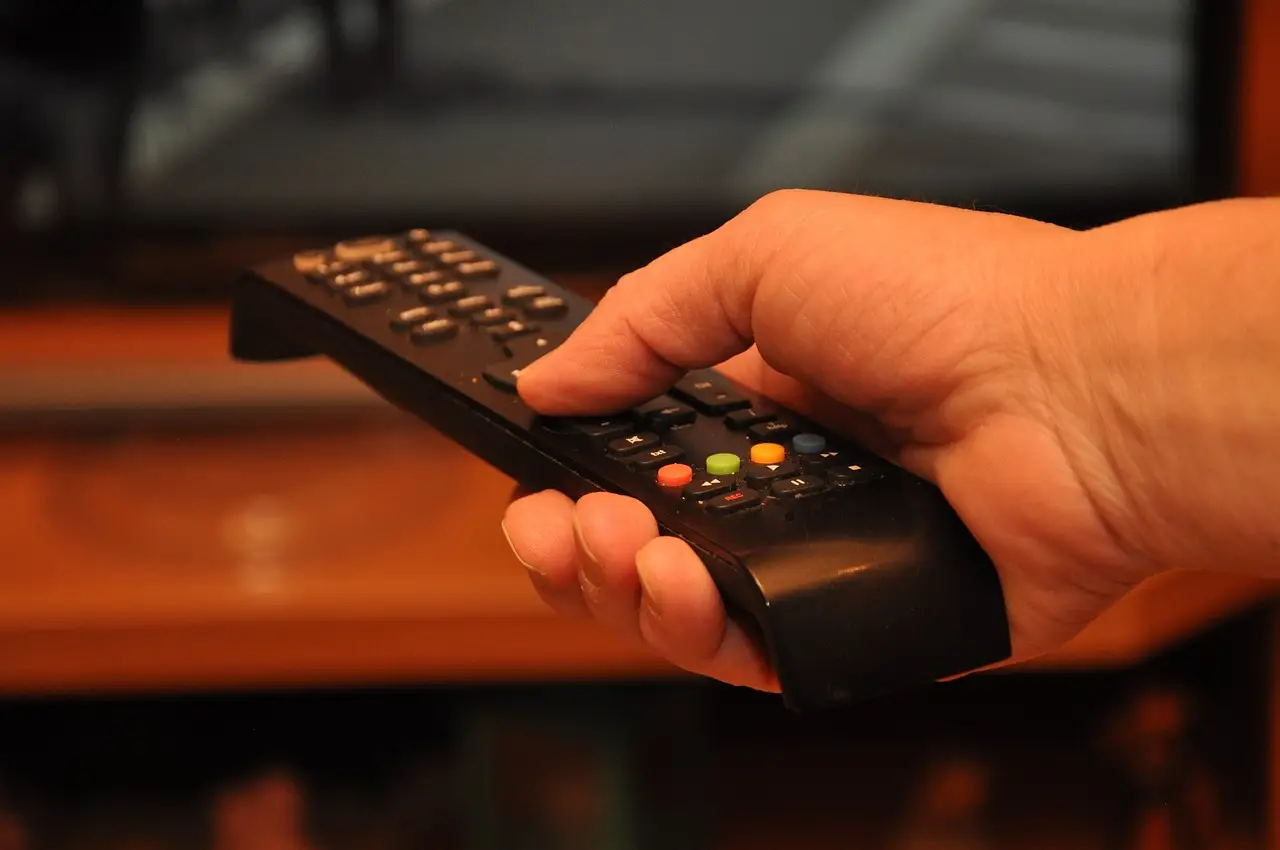
- Ofcom's code requires PSB apps within the first nine smart TV menu tiles, in a fixed order starting with BBC iPlayer.
- The code stems from the 2024 Media Act and could take effect within 12 to 18 months.
- Compliance is voluntary, but following the code counts as meeting prominence and accessibility duties.
- The code is separate from the ongoing debate over PSB visibility on YouTube and TikTok.
Smart TV makers that follow Ofcom's new code of practice must place BBC iPlayer, ITVX and the other UK public service streaming apps within the first nine tiles on their main app menus — and in a set order. The regulator published the code under the 2024 Media Act, which modernised how PSB content gets discovered on connected TVs.
What does the code require exactly?
The rules are specific. PSB streaming services "should be immediately visible" and "appear with the first nine" app icons, Ofcom said. The order is fixed: "BBC iPlayer, ITVX, Channel 4 player, Channel 5 player, S4C Clic and STV player." The exact positioning shifts depending on where the viewer is in the UK — STV matters in Scotland, S4C in Wales.
Search gets its own rules. When viewers search for shows by text or voice on connected TVs, "public service programmes should be more prominent than other programmes where they are the most relevant results for a user's search."
The code also covers attribution. Public service programmes "should be clearly attributed to the designated PSB service in which they are included." Ofcom's reasoning: it "helps audiences identify the content provider and make informed viewing choices."
Why is Ofcom doing this now?
The mechanism is discovery. TV guides and app menus act as gatekeepers in an increasingly fragmented media world, and those menus vary by television set. Users often scroll for some time before finding the traditional broadcasters. The 2024 Media Act updated the legal framework for making PSB content easier to find on connected TVs, and this code of practice is how Ofcom intends to standardise prominence across TV screens.
There's an accessibility component too. The code calls for improving the "experience of disabled people" through labelling and enabling accessibility features such as subtitles and audio description.
Is it mandatory?
No. The code is voluntary. But Ofcom expects its recommendations could be in place within the next 12 to 18 months, and there's a practical incentive for platforms: providers that follow the code "will be treated as complying with the relevant prominence and accessibility duties."
So it's soft enforcement with a hard payoff — compliance by paperwork rather than by force.
What about YouTube and TikTok?
This issue is separate from the ongoing debate over prominence for established broadcasters on digital platforms like YouTube and TikTok. That fight hasn't been resolved.
PSBs have argued their content deserves safeguarding to protect the "shared social fabric of the UK." The government published plans this summer saying PSBs could be given more visibility on the algorithmically driven platforms owned by big tech and social media companies.
Some media companies and content creators push back. They argue more visibility for PSBs on YouTube and TikTok would hurt their businesses.
What to watch next
Whether smart TV manufacturers adopt the code within Ofcom's 12-to-18-month window — and whether the government's summer plans for PSB prominence on big tech platforms turn into anything binding.
via theguardian.com (Source)
More from Olivia Hart
Show full bio
Staff writer covering money, funding and market shifts around Search rankings and algorithm updates, generative engine optimization at SERP Journal.
238 articles