Google Merges Google Tag Manager Into the Google Tag
Google confirmed on November 17, 2026 that every Google tag becomes a Tag Manager container, with unsupported installations upgraded by January 2027.
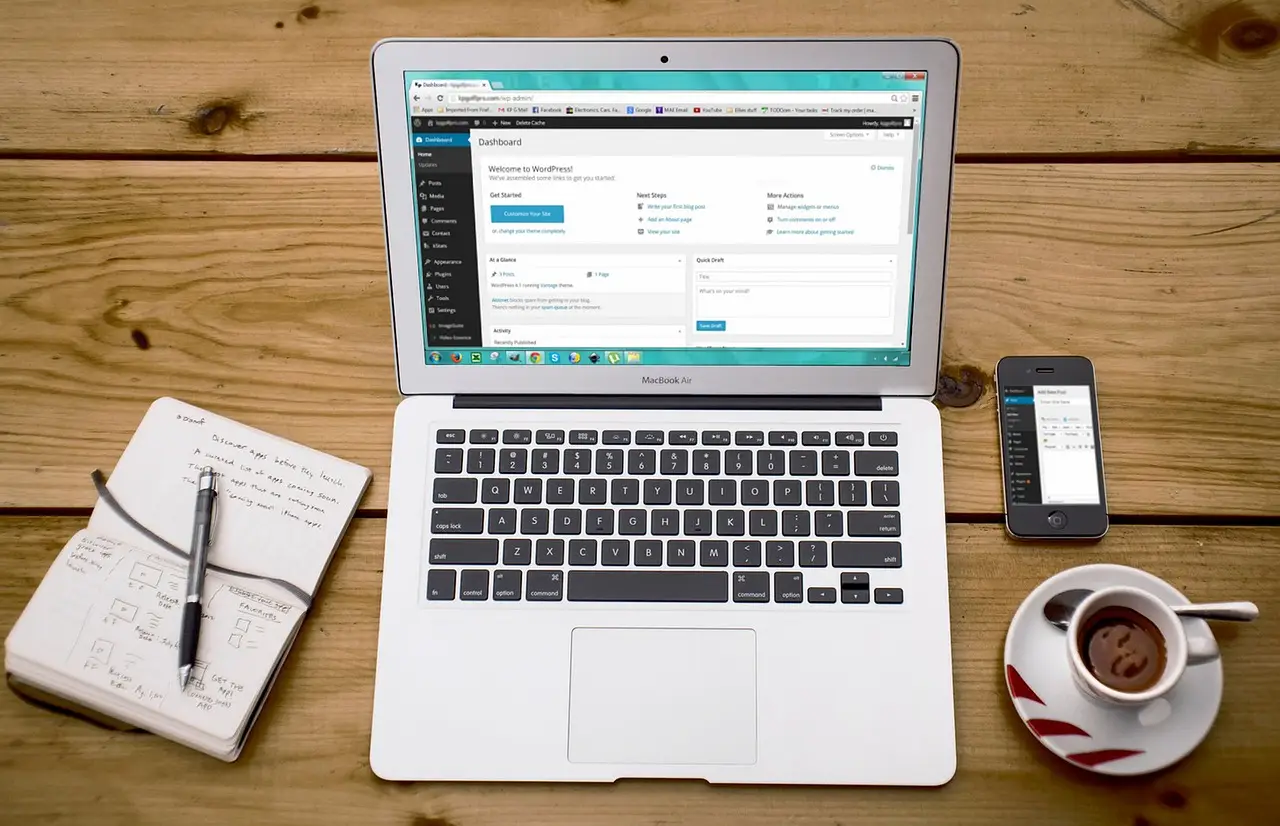
- Google announced the Google tag–Tag Manager unification on November 17, 2026, after first announcing it in August 2026.
- Every Google tag becomes a Tag Manager container; in-page behavior does not change.
- New deployment snippets drop the gtag config command in favor of Tag Manager initialization triggers.
- Unsupported installations receive the upgrade in January 2027.
- Tag Manager container permissions now govern Tag Assistant data access.
Google confirmed on November 17, 2026 that it is "bringing all the capabilities of Google Tag Manager to the Google tag," completing a unification effort the company first announced in August 2026. The change, announced through an official Google Tag Manager release note, turns every Google tag into a Tag Manager container (the JavaScript framework that governs how measurement and marketing tags fire on a site).
What does the unification actually change?
For site owners and advertisers, the practical shift is capability, not behavior. Google stated plainly that the in-page behavior of Google tags "won't change with this update." What changes is access: advertisers who deploy only the Google tag (Google's single-snippet tagging product, historically lighter than Tag Manager) can now use Tag Manager's interface-driven tagging features, debugging, and version control through the same container.
"Websites that only use Google tag will have the ability to use Tag Manager's interface-driven tagging features, debugging, and version control," Google said in the release note. That is the core of the deal — the full Tag Manager workflow, previously a separate product pathway, now sits behind every Google tag.
Google also addressed what happens to existing automation setups: "Each Google destination will have its own tag, preserving your existing setup and triggers for automation events." In other words, migration does not break current triggers or destination-level configuration.
How do deployment snippets and permissions change?
The unification standardizes code deployment. Google's release note lays out three technical consequences:
- Uniform snippets. All new deployment snippets will be identical under the new system.
- No gtag config command. New snippets drop the
gtag configcommand entirely. Google recommends configuring initialization behavior with standard Google Tag Manager initialization triggers instead. The Initialization trigger can also instruct the tag to wait for the config command for site owners who want to preserve a legacy setup. - Unified permissions. Google Tag Manager permission settings now apply across the board. Access to data in Tag Assistant (Google's tag debugging tool) will be managed through the same container permissions administrators already use in Google Tag Manager today.
That last point matters for teams: one permission model, not two. Whoever controls container access in Tag Manager now controls Tag Assistant data access as well.
What is the January 2027 deadline?
Google gave unsupported installations a hard timeline. Sites running what Google calls an unsupported installation will receive the upgrade in January 2027, and the company advises those site owners to adjust their setups before then.
That makes January 2027 the effective compliance date for anyone whose tagging implementation doesn't match Google's supported patterns. Sites with standard installations appear to move over now — the rollout appears to be underway following the November 17, 2026 release note, though Google framed that note around the mechanics rather than a staged rollout schedule.
Who is affected, and how?
The unification touches three groups differently:
- Google-tag-only advertisers gain the most: Tag Manager's debugging, version control, and interface-driven tagging become available without changing their in-page tag behavior.
- Existing Tag Manager users see continuity — containers, triggers, and destinations carry over, with permissions extended to Tag Assistant.
- Unsupported installations face the January 2027 upgrade and should audit their setup now, particularly any reliance on the
gtag configcommand.
There is a distinction worth drawing here. The statements above come directly from Google's release note and are confirmed product behavior. What remains unconfirmed by Google is the precise rollout pacing — the release note does not specify which sites get the update in what order, only that unsupported installations are slotted for January 2027.
What should teams watch next?
Monitor the January 2027 upgrade window if you run an unsupported installation, and watch how Tag Assistant permissions behave under the new container-wide model as the rollout broadens.
via support.google.com (Original)
More from James Calloway
Show full bio
Market editor covering money, funding and market shifts around Search rankings and algorithm updates, generative engine optimization at SERP Journal.
231 articles