Google Lets Restaurants Turn Off DoorDash, Uber Eats in Business Profiles
Google Business Profiles now lets restaurants disable individual ordering providers like DoorDash and Uber Eats from the dashboard, ending years of support-ticket removals.
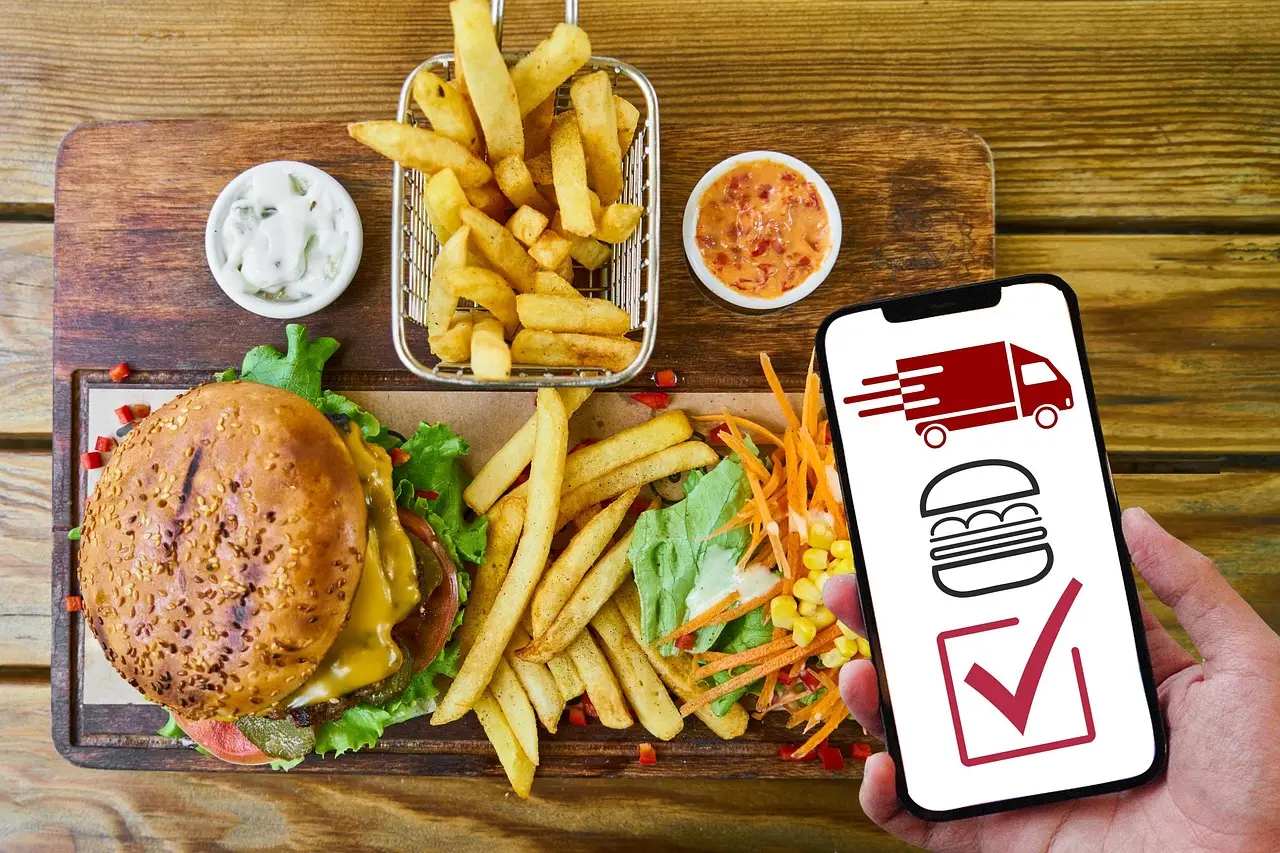
- Google now lets restaurants disable individual third-party ordering services directly in Business Profiles
- Named providers include Uber Eats, DoorDash, Grubhub and Instacart
- Controls allow full opt-out or limiting a provider to pickup and/or delivery
- Lisa Landsman of Google announced the feature on LinkedIn
- Operators previously had to submit removal requests to each delivery platform individually
Google Business Profiles now lets restaurants disable individual third-party ordering services such as Uber Eats, DoorDash, Grubhub and Instacart directly from the dashboard. Lisa Landsman of Google announced the change on LinkedIn. Operators can switch off a provider completely, or limit it to pickup or delivery only. Google confirmed the feature itself; claims about how each provider's toggle behaves in practice remain user-reported.
What changed for restaurant owners?
Until now, removing an unwanted ordering link required a request to each delivery platform. Google has moved that control into the Business Profile dashboard. Landsman wrote: "One of the most frequent requests we hear from restaurant operators is simple: more control over their ordering links."
She explained the mechanics plainly: "Instead of submitting requests to individual delivery platforms to remove or disconnect a feed, you can now manage and opt out of specific providers directly from your dashboard."
That is a real workflow change. It replaces a multi-platform ticket process with a self-service toggle. The change applies to ordering options shown on Business Profiles in Google Search and Maps.
How granular do the controls go?
A screenshot Landsman posted shows per-provider toggles. The interface appears to let an operator choose whether a given ordering option displays for pickup, delivery, or both. Google has not published full documentation of edge cases. We do not know how quickly a disabled feed disappears from live profiles, or whether platforms can override an opt-out through existing data agreements.
The control covers named providers such as Uber Eats, DoorDash, Instacart and Grubhub. Landsman framed the decision as the operator's alone: if an integration no longer fits operations, margins or kitchen flow, the operator can turn it off without contacting anyone.
Why did Google frame choice as a strategy?
Notably, Google did not pitch this purely as a removal tool. Landsman advised keeping "a mix of trusted providers" on the profile. Her reasoning: diners often stick to platforms where they hold active subscriptions or stored payment details. Offering several ordering paths, she argued, can capture an order that might otherwise go to a competitor.
Read that carefully. The feature removes friction for operators, but Google's own guidance leans toward keeping multiple providers visible. Restaurants seeking a direct-ordering-only profile can achieve it; Google simply suggests they may not want to. Direct ordering remains the stated priority, but the platform choice stays with the diner.
Landsman also pushed an audit habit: check active ordering channels regularly, and confirm every link leads to an accurate menu and a smooth guest experience.
Why this matters for local search
Restaurant operators have requested this control for years, according to forum discussions on LinkedIn and Local Search Forum. The gap between request and delivery was long. That history is worth remembering when evaluating Google's rollout claims for other pending GBP features.
The impact cuts across the restaurant vertical specifically. Multi-location groups with divergent delivery contracts gain the most. Single-location operators gain simpler cleanup of unwanted feeds. Delivery platforms, by contrast, lose a default presence they previously held unless the restaurant fought to remove it.
What Google has not said: whether disabling a provider affects ranking signals, whether opt-outs sync across all locations of a chain at once, and how the setting interacts with menu data feeds already under provider management. Those questions lack answers in the announcement.
The takeaway in plain words: restaurant owners now hold the switch, and no longer need a ticket to flip it.
Monitor the dashboard in coming weeks to confirm toggle behavior, watch whether providers respond with updated partnership terms, and track Local Search Forum reports for any gap between the announced control and what actually renders on live profiles.
via linkedin.com (Original)
More from Elena Vasquez
Show full bio
Correspondent covering people, launches and day-to-day practice in Search rankings and algorithm updates, generative engine optimization at SERP Journal.
184 articles