Google Launches Universal Cart in Search and Gemini App
Google has launched Universal Cart across Search and Gemini in the U.S., with multi-retailer carts, price-drop alerts, and one-way cart transfer via the UCP Cart API. YouTube and Gmail dates are missing.
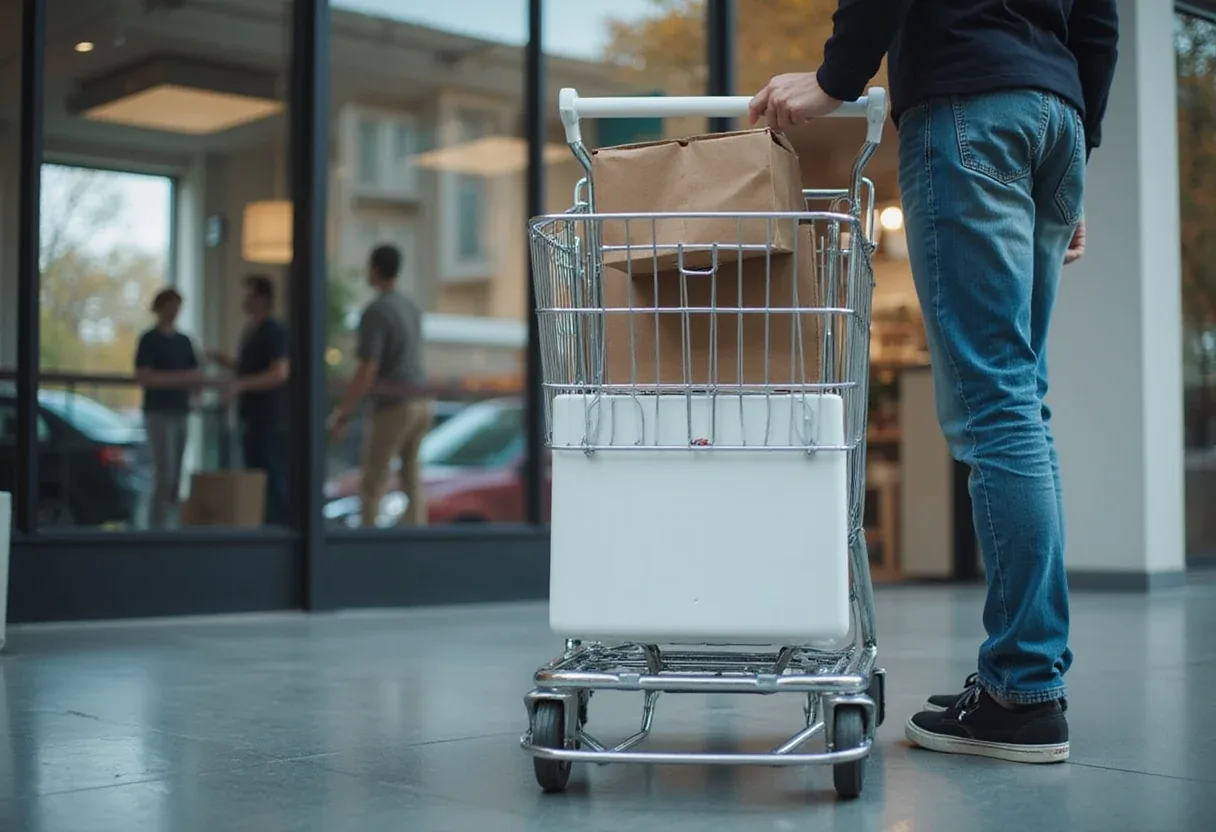
- Google launched Universal Cart in the U.S. across Search and the Gemini app, following its May I/O announcement.
- Cart transfer runs through the UCP Cart API via a one-way CreateCart call; syncing and deletion are not supported.
- UCP Analytics tracks Buy clicks, purchases, cancellations, cart transfers, and average cart value at transfer; API reporting is in alpha.
- The UCP integration hub rolls out gradually in the U.S., with Australia and Canada to follow next year.
- Shopify's Direct Checkout is enabled by default for eligible U.S. stores, but Google Analytics and Custom Pixels do not fire on those purchases.
Google has launched Universal Cart in the United States across Google Search and the Gemini app, letting shoppers add products from multiple retailers into one cart and check out with Google Pay or on the merchant's own site. Suresh Ganapathy, Senior Director of Product Management for Consumer Shopping, announced the launch in a blog post. Google first previewed the feature at I/O in May.
The launch lands weeks before the holiday shopping season. That timing is not accidental. The cart now sits between the shopper and the merchant, and that fact carries more weight than any single feature in the announcement.
What does Universal Cart actually do?
Shoppers can add products from several stores while browsing Search, including AI Mode, or the Gemini app. The cart persists across both surfaces. Google confirmed three concrete capabilities:
- One cart holding items from multiple participating retailers
- Price-drop notifications for saved items
- Stock replenishment alerts when an item returns
The system runs on Google Wallet. It suggests which of a shopper's cards to use based on each card's perks, and it displays promo codes directly in the cart.
Google names Nike, Sephora, Target, Ulta Beauty, Walmart, Wayfair, and many Shopify merchants as participants for in-cart checkout or cart transfer. The merchant remains the seller of record either way.
Takeaway: the cart keeps the transaction inside Google where possible, but merchants retain legal ownership of the sale.
What changed since the May announcement?
Google's I/O post set a deadline of end of summer for Search and Gemini access in the U.S. That deadline was met, roughly. The May post also promised YouTube and Gmail support later. Today's post says nothing about either service. No timeline exists.
More gaps appear on inspection. The May post described historical pricing for items, warnings that products in the cart would not function together, and loyalty program information tied to Google Wallet. The launch post omits all three. They may have shipped anyway. Google simply does not say, and speculation about silent additions is not confirmation.
The framing also shifted. In May, Google called Universal Cart "the next step that brings this all together" for its agentic commerce foundation. Today's post separates agentic features that act on a shopper's behalf from tools that "give shoppers confidence and control," and files the cart under the second group.
Takeaway: Google has softened the agentic language around a feature that will sit in front of millions of transactions.
How do carts reach merchant systems?
Google's developer docs tie cart transfer to the Cart API within the Universal Commerce Protocol (UCP). The API guide states the CreateCart call builds a cart on the merchant's system when a shopper transfers items.
The first release is one-way and narrow. Updating, deleting, or syncing cart contents between Google and the merchant is not supported. Native checkout on Google is a separate API and is not required for cart transfer.
Participating merchants who meet Google's onboarding requirements select either option in the UCP integration hub in Merchant Center. Google's help page says the hub is rolling out gradually in the U.S., with Australia and Canada to follow next year. Google added the hub's cart transfer option in September.
Takeaway: merchants cannot yet sync cart state, so any downstream operational workarounds remain manual.
What data can merchants see?
The UCP Analytics Reporting dashboard in Merchant Center tracks the checkout funnel from Buy button clicks through purchases and cancellations. The Merchant API reference lists cart transfer metrics, including the number of cart transfers and average cart value at transfer, and maps each to a Merchant Center dashboard equivalent. That API reporting is in alpha.
No page documents a metric for products merely saved to a cart. Saved-item volume, arguably the strongest demand signal in the system, stays invisible to merchants. Google did not explain the omission.
Takeaway: merchants see the funnel but not the top of it.
What about Shopify stores specifically?
Shopify's support documentation for its Google AI Mode & Gemini Channel states Direct Checkout is enabled by default for eligible U.S. Shopify stores. A Shopify admin can check the setting under Sales channels > Agentic.
One measurement gap stands out. According to Shopify's help page, Google Analytics and Custom Pixels will not fire when a customer completes a purchase through Direct Checkout. Merchants relying on analytics pixels will undercount these sales.
What remains unknown: how Universal Cart handles in-cart purchases from Shopify merchants, and whether those purchases use the same checkout flow as Direct Checkout. Neither Google's docs nor Shopify's clarify this.
Why does this matter for commerce sites?
The buyer's shopping list now lives with their Google account, and checkout can complete from that list without a visit to the merchant's site. Google's docs describe two purchase paths: Native checkout, which completes the sale via Google, and Cart Transfer, which creates a pre-filled cart on the merchant's website.
UCP sales tracking treats cart transfers and purchases as separate events. Tracked purchases include only completed sales made directly from the Universal Cart list. Purchases after a cart transfer happen on the merchant's site and follow the merchant's own measurement.
For retailers, the deal is explicit: Google controls the shelf, the merchant keeps the register. Whether that trade holds value depends on volume Google sends, and no baseline figures exist yet.
What to monitor next
Watch three things: the arrival dates for YouTube and Gmail support, which Google promised in May but did not restate; expansion of the UCP integration hub into Australia and Canada next year; and any merchant-facing metric for saved items, whose absence currently blinds merchants to pre-purchase demand signals.
via blog.google (Original)
More from Elena Vasquez
Show full bio
Correspondent covering people, launches and day-to-day practice in Search rankings and algorithm updates, generative engine optimization at SERP Journal.
134 articles