Google AI Overviews Pressure Publisher Traffic Into 2026
AI Overviews are cutting publisher clicks, and Search Engine Journal's analysis says adaptation into 2026 means earning citations inside AI answers, not just rankings.
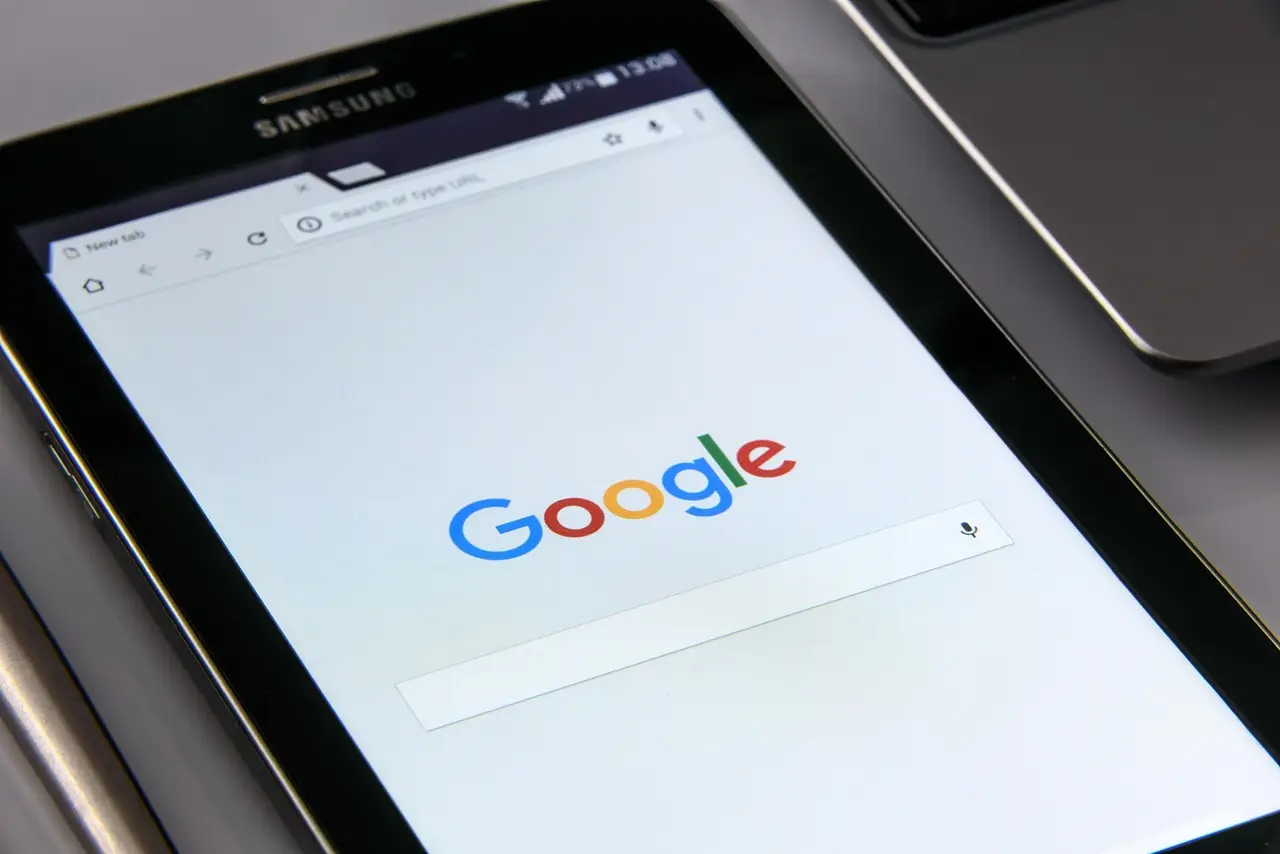
- Search Engine Journal published an analysis on AI Overviews' impact on publishers with adaptation guidance through 2026.
- AI Overviews place AI-generated answers above traditional links, reducing clicks to source publishers.
- Informational content such as how-to guides is identified as the most exposed category.
- The adaptation strategies are editorial analysis, not confirmed Google policy changes.
- No specific traffic-loss percentages were included in the source material.
Google's AI Overviews have become a structural drag on publisher click-through, and Search Engine Journal's new analysis, "Google AI Overviews Impact On Publishers & How To Adapt Into 2026," argues the damage is now a planning assumption rather than a temporary disruption.
The piece addresses publishers directly. Its premise is simple: AI-generated answers sit above the traditional blue links, and they satisfy many informational queries before a user ever scrolls. That means fewer visits for the sites whose content trains and fuels those answers.
What are AI Overviews actually doing to publishers?
AI Overviews summarize a topic at the top of the results page. Google assembles the summary from source content across the web. The user often gets the answer. The cited publisher often gets nothing but a small link.
For publishers, the mechanism matters more than the branding. When the answer is complete on the results page, the click loses its purpose. Search Engine Journal's analysis treats this as the core economic shift: value moves from the visit to the visibility of being cited inside the AI answer.
Not every site is hit equally. Informational content — how-to explainers, definitions, beginner guides — is the most exposed, because those queries are easiest for an AI summary to satisfy. Content that requires the click to deliver value is more resilient.
The takeaway: publishers can't opt out of AI Overviews, so the realistic question is how to remain useful and visible inside them.
How does Search Engine Journal say publishers should adapt into 2026?
The analysis frames adaptation as a shift in what publishers optimize for. The old target was position one on the page. The new target is becoming a cited source within the AI-generated answer itself.
That changes the work in several ways:
- Content has to demonstrate authority Google's systems can extract and attribute.
- Original reporting, first-party data, and expertise become more valuable than commoditized summaries anyone can generate.
- Brand recognition matters more, because users who trust a name will click past the AI answer to reach it.
- Diversifying traffic beyond organic search reduces dependence on a channel Google keeps re-engineering.
This is analyst guidance, not a confirmed Google policy change. Google has not announced plans to compensate publishers for AI Overview citations or to alter the feature's placement. The adaptation strategies come from Search Engine Journal's editorial assessment of where search behavior is heading through 2026.
The takeaway: the defense is content an AI summary can't fully replace, plus traffic sources Google doesn't control.
What should publishers watch next?
The analysis projects the pressure continuing into 2026. AI Overviews keep expanding to more query types and more markets, so exposure will grow for publishers who haven't yet adjusted their content mix.
The practical monitoring list is short:
- Which query categories in your vertical trigger AI Overviews, and how that footprint grows.
- Whether your site earns citations inside the answers, not just traditional rankings.
- Whether direct and referral traffic can absorb declines in organic clicks.
Search Engine Journal's underlying message is that waiting out AI Overviews isn't a strategy. Publishers who treat 2026 as the horizon — and rebuild their content and traffic assumptions around AI-delivered answers now — are the ones positioned to hold audience as search changes shape.
Editor's note: This report summarizes Search Engine Journal's analysis. Specific traffic-loss figures were not provided in the source material.
via Google News: AI Overviews (Source)
More from Olivia Hart
Show full bio
Staff writer covering money, funding and market shifts around Search rankings and algorithm updates, generative engine optimization at SERP Journal.
157 articles