Google Ads Tests “Visit Site” Links in Mobile Search Ads
Google is testing a plain-text “Visit site” link in mobile search ad descriptions, replacing earlier “learn more” and “read more” formats while wider rollout details remain unannounced.
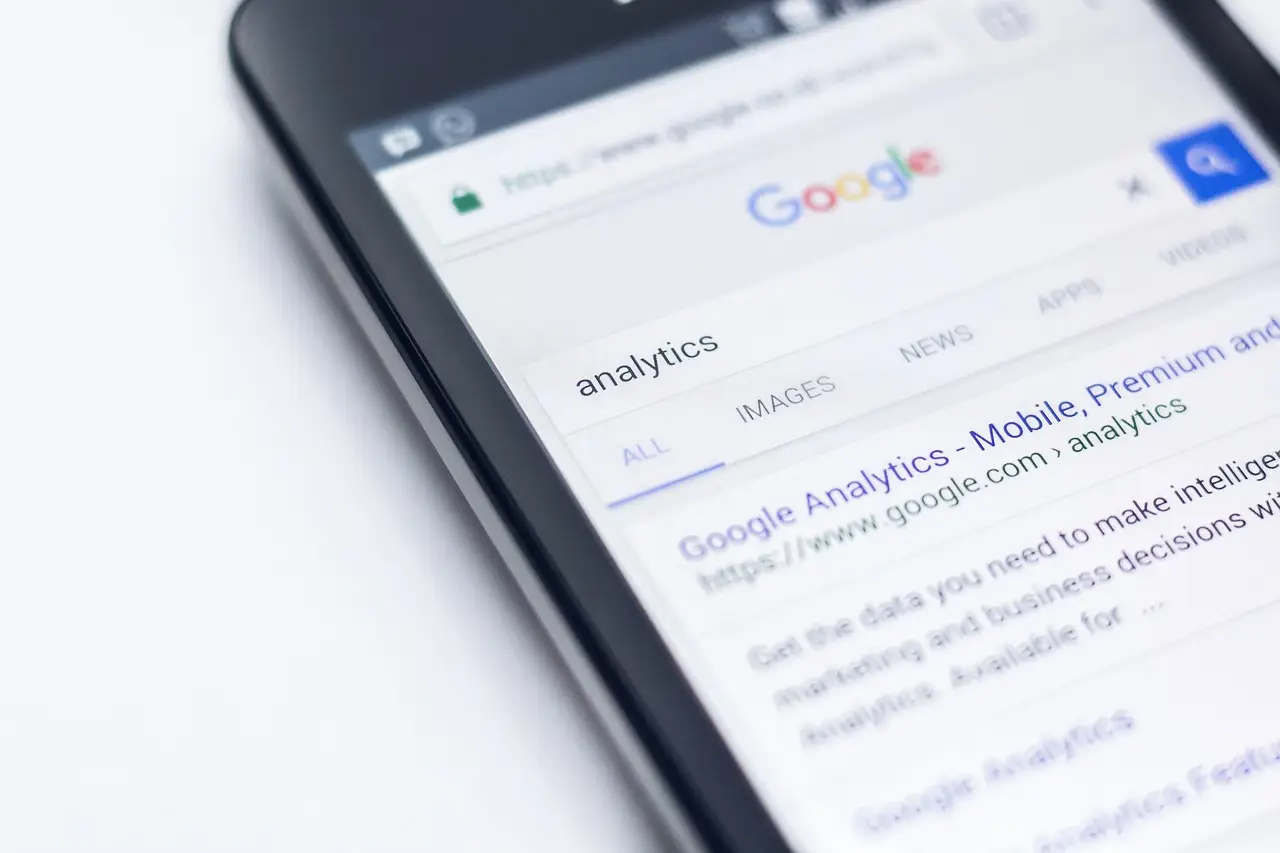
- Google Ads is testing a plain-text “Visit site” anchor in mobile search ad descriptions.
- The mobile format replaces earlier “learn more” buttons and “read more” links.
- Desktop ads showed a “Visit site” button, and observers also saw the label in organic results.
- Sachin Patel shared a screenshot on Search Engine Watch; Adrian Dekker discussed the test on LinkedIn.
- The report gives no test date, sample size, rollout schedule, or performance metrics.
A plain-text “Visit site” link now appears inside mobile search ad descriptions in Google Ads, according to screenshots shared by search observers. The format replaces earlier “learn more” buttons and “read more” links. Sachin Patel published a screenshot on Search Engine Watch. Adrian Dekker, writing on LinkedIn, said the change remained part of a test with no word on a wider rollout.
What changes in the mobile ad format?
The observed mobile unit adds “Visit site” as a plain-text anchor within the description of a search ad. It differs from the desktop treatment, where searchers saw a “Visit site” button.
The source also says observers saw “Visit site” in organic search results, alongside its use in sponsored placements. That parallel does not establish whether Google applies the same rules to paid and unpaid listings.
The mobile label also supersedes two earlier tests or formats: a “learn more” button and “read more” links. The replacement suggests Google is standardizing the destination wording. The earlier links do not remain beside the new anchor in the observed format.
This keeps the destination language aligned with the desktop button, while giving mobile users a compact anchor inside the sponsored listing itself, rather than a separate button.
Takeaway: The visible change is the call-to-action wording and placement within mobile sponsored results.
Who documented the test?
Sachin Patel posted about the format on Search Engine Watch and wrote: “Here is a screenshot of the “Visit site” link on sponsored results.” The image documents the label’s appearance. It does not reveal the campaign, advertiser, query, impression count, or display frequency.
Adrian Dekker added context on LinkedIn: “It looks like part of the Visit site label test Google is already running on sponsored ads. It's a test for now, with no word on a wider rollout.” The source also links to a LinkedIn forum discussion.
The two independent observations support the existence and placement of the mobile label, but they do not establish how many advertisers received it or how long it will remain.
Takeaway: Screenshots document the display; the quoted observers do not confirm a general release.
What will users and advertisers see?
Mobile users see “Visit site” embedded in the ad description. Earlier formats used a generic “learn more” button or “read more” link. Desktop users have seen the same phrase on a button. The reported mobile version uses a compact text anchor.
For users, the visible effect is a more specific call to action; for advertisers, the report supplies no measured outcome that would justify claims about traffic, conversions, or campaign efficiency.
The report offers no advertising metrics:
- Click-through rate
- Cost per click
- Conversion rate
- Impression count
- Sample size
- Test date
It also does not say which advertisers can see the format. The source supports a display update, not a performance claim. No vertical or site type receives separate treatment in the report. The observation cannot establish a different effect for any category.
Takeaway: The report identifies a clearer ad link, but supplies no evidence of traffic, revenue, or campaign effects.
Has Google confirmed a rollout?
No Google statement appears in the source. The report gives no rollout timetable. Dekker explicitly calls the format a test and says he has heard nothing about wider availability.
A visual sighting confirms that Google’s ad system produced the format for at least one mobile result, but it cannot confirm adoption across accounts or placements.
The earlier “learn more” and “read more” versions also fit an evolving interface test. That interpretation remains an observer assessment, not a company policy announcement. The references to desktop ads and organic results show similar wording, not a technical connection.
Takeaway: Treat “Visit site” on mobile as a documented test display, not a confirmed platform-wide launch.
What should advertisers and search teams monitor next?
The immediate signal is the mobile search ad itself. Watch for the plain-text “Visit site” anchor across mobile placements. Note whether “learn more” and “read more” variants disappear.
Repeated sightings across mobile placements would provide better evidence of scale than the original screenshot, which identifies neither a launch date nor a test boundary.
Also monitor these signals:
- Any official Google Ads or Search release
- Changes to the link format in organic results
- Wider availability across advertisers and mobile placements
- Published click-through or conversion data
The source does not connect organic and sponsored surfaces technically. A formal announcement would clarify whether this is a shared interface label, a paid-ad-specific test, or a broader search design change.
Takeaway: The next meaningful update will come from repeated mobile placements, a formal rollout notice, or performance data showing whether the new wording changes advertiser outcomes.
via searchenginewatch.com (Original)
More from Olivia Hart
Show full bio
Staff writer covering money, funding and market shifts around Search rankings and algorithm updates, generative engine optimization at SERP Journal.
216 articles