Google Ads Search Insights Tool Surfaces Rising and Declining Queries
Google Ads' Search Insights tool shows how queries matched ads, which creative served and where users landed, plus trending, rising and declining queries over 3 years.
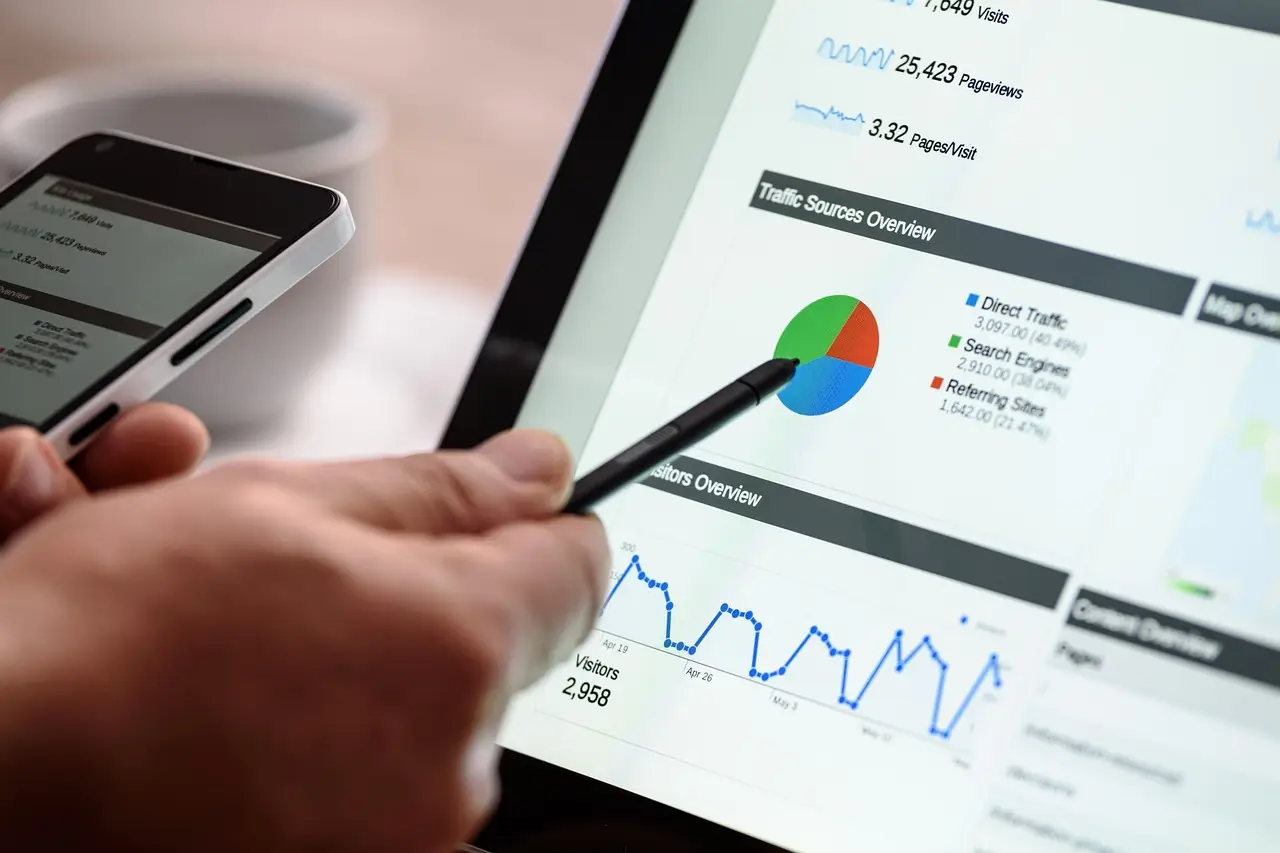
- Search Insights tracks indexed search volume over the past 3 years and flags rising queries over 6 months and declining ones over 3 months.
- Google's June 2026 blog post says the AI-powered tool lets a junior specialist uncover insights that previously required years of expertise.
- The report separates advertiser-authored assets from content Google AI matched, wrote or expanded.
- Search data is available at country level only, and audience definitions like age and gender don't apply.
- Govind Singh posted screenshots of the tool from a live Google Ads account on X.
Google Ads offers a Search Insights tool that shows advertisers how their queries match ads, which ad copy and assets appeared, and where users landed — with a trends tab tracking indexed search volume over the past three years. The tool itself isn't brand-new, but a live-account sighting this week has put it back in the spotlight.
What did we learn?
Govind Singh spotted the search ads insights report inside a live Google Ads account and posted screenshots of the menu bar and the report itself on X. The screenshots confirm the tool is live and accessible to advertisers through the Ads interface, not a Labs experiment.
Google's own description of the report states that it lets advertisers "See what people searched, what they saw, and where they landed, including what you added alongside what Google AI matched, wrote, or expanded." That last clause is the notable part: the report separates advertiser-authored assets from material Google's AI systems generated or broadened automatically.
What does the report actually cover?
Four data areas, per Google's documentation:
- How searches matched ads — the query-to-ad matching mechanics, including AI-driven match types.
- What people searched — the underlying query data behind each impression.
- Which ad copy and assets showed — creative-level performance tied to individual searches.
- Where people landed — final URLs and landing page data per query.
How do the trends work?
The trends tab is where the tool gets granular. It displays indexed search volume for a topic over the past 3 years, and it breaks queries into five categories:
- Top — the most searched queries.
- Rising — increasingly popular over the past 6 months.
- Emerging — queries that became popular recently.
- Sustained — steadily popular over 18 months.
- Declining — queries losing popularity over the past 3 months.
That declining bucket gives advertisers a leading signal for pruning spend on fading search terms before performance fully erodes, while the emerging and rising categories function as an early-warning system for new demand.
A help document frames the wider purpose: "Explore Google Search data to find emerging and declining trends related to your topic or category. This tab also allows you to learn more about how users search for your topic, which includes lists of relevant and trending queries."
What has Google said about the AI angle?
A Google Ads blog post from June 2026 laid out the positioning most directly. It wrote: "Search Insights: Reporting is a critical deliverable, but it can be incredibly time-consuming. Our Search Insights tool uses AI to power a sophisticated reporting framework. It empowers a junior specialist to uncover deep insights that would have previously required years of expertise. This doesn't just make reporting faster; it makes it smarter and more actionable."
In practice, Google is pitching this at agencies and in-house teams where junior staff handle reporting: the AI layer compresses what used to be a senior-analyst task into something an entry-level specialist can run. For search marketers, that shifts the value of manual query mining toward interpretation rather than extraction.
What are the limits advertisers should know?
The documentation carries three caveats worth flagging before anyone builds a workflow around this:
- Search Insights are based on queries related to your topic, not just those containing your exact terms — associations come from user click behavior, which broadens the dataset but can pull in loosely connected queries.
- Audience definitions like age, gender and interests don't apply to Search Insights, so demographic slicing is off the table.
- Search data is typically available at the country level only, which limits regional and city-level analysis.
What's the confirmed-versus-speculation picture?
The confirmed part: Google's help docs and the June 2026 blog post officially describe the tool, and Singh's screenshots show it live in an account. The speculative part: there's no confirmed rollout timeline for additional features, no word on whether the tool will extend beyond country-level data, and no announcement on deeper audience segmentation. Anything beyond the documented feature set is tool-signal territory, not Google policy.
For advertisers in trend-driven verticals — retail, travel, seasonal services — the rising and emerging query lists offer a faster read on demand shifts than waiting for performance data to accumulate in standard reports. The 18-month "sustained" and 3-month "declining" windows also give a longer historical baseline than most Ads reporting surfaces.
Watch for signs that Google expands the data granularity beyond country level, or folds the AI-matched query reporting into automated recommendations — either move would change how much of this reporting advertisers still need to do themselves.
via x.com (Original)
More from James Calloway
Show full bio
Market editor covering money, funding and market shifts around Search rankings and algorithm updates, generative engine optimization at SERP Journal.
243 articles