Federal judge dismisses Chegg, Penske Media AI Overviews lawsuits against Google
US District Judge Amit Mehta dismissed Chegg and Penske Media's AI Overviews lawsuits on September 30, ruling publishers' traffic claims rest on an 'expectation,' not an agreement with Google.
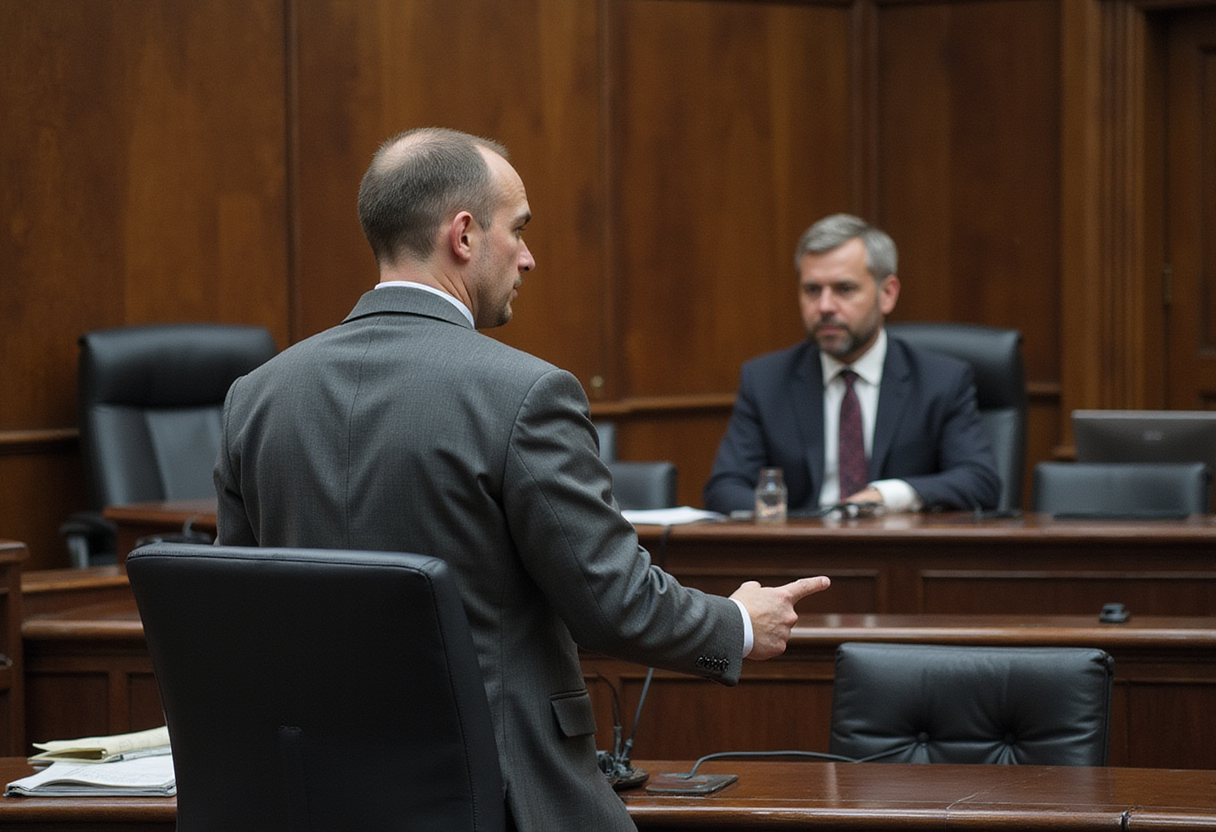
- US District Judge Amit Mehta dismissed the Chegg and Penske Media lawsuits against Google on September 30, 2026
- The judge wrote that an 'expectation' of traffic is 'not an agreement' under antitrust doctrine
- This is the second AI Overviews lawsuit dismissal of 2026, following the March federal court ruling against Helena World Chronicle and Emmerich Newspapers
- Mehta said the publishers' situation may be 'better suited for Congress or regulators' than antitrust courts
- Four publisher-led AI Overviews antitrust claims have now failed in U.S. federal court since the feature's May 2024 U.S. rollout
A federal judge on Tuesday dismissed two lawsuits against Google over its AI Overviews feature, ruling that publishers' claims of lost web traffic amounted to an "expectation" rather than a binding agreement.
US District Judge Amit Mehta of the District of Columbia sided with Google in cases brought by ed-tech firm Chegg in 2025 and Penske Media Corporation, owner of Billboard, Variety, and Rolling Stone. The September 30 ruling rejected the publishers' central claim that Google had effectively forced them into AI Overviews by indexing their content only on its terms.
What did Judge Mehta actually decide?
Mehta wrote that the plaintiffs alleged no formal agreement with Google, only an assumed one. "Plaintiffs have pleaded only that they have an 'expectation' that Google will send them search traffic if they make their content available for free," the judge wrote. "But an expectation is not an agreement. It is simply how a general search engine works."
The decision treats AI Overviews as a continuation of how general search indexes and surfaces third-party content. Publishers who place material on the open web cannot point to a contract when Google changes how that material is displayed, Mehta concluded.
Why did Chegg and Penske sue?
Chegg filed its antitrust action last year, alleging Google's AI Overviews rollout diverted clicks from its study-help platform and collapsed affiliate revenue. Penske Media followed with a parallel suit, claiming similar losses across its entertainment and music titles.
Both suits argued that Google effectively locked publishers into AI Overviews if they wanted their content indexed in Search. Mehta found that argument legally insufficient.
What does the ruling change for AI Overviews and search?
In practical terms, the decision preserves the AI Overviews product as currently shipped. Mehta acknowledged sympathy with publishers' economic pain while redirecting the policy fight.
"The court is not 'unsympathetic to the situation publishers now find themselves in,'" the judge wrote, "but this may be beyond the purview of antitrust laws and better suited for Congress or regulators."
That stance leaves U.S. publishers with limited legal leverage on AI summarization absent new legislation or regulator action. The Information reported the dismissal pushes publishers toward licensing arrangements, where Google pays to display their content in AI search responses.
Is this the only AI Overviews case publishers have lost?
No. The Chegg and Penske verdicts mark the second such setback of 2026. In March, a federal court dismissed related actions brought by Helena World Chronicle and Emmerich Newspapers against Google over the same AI Overviews feature.
Four publisher-led antitrust claims against Google AI Overviews have now failed in U.S. federal court since the feature's May 2024 U.S. launch. The pattern signals that courts treat the "expectation of traffic" theory as inadequate to ground an antitrust claim under current doctrine.
What should search publishers and SEOs monitor next?
Three signals will determine whether legal pressure on AI Overviews returns or fades:
- Any congressional hearing or FTC inquiry that reframes AI summarization as an unfair-method-of-competition issue rather than an antitrust contract dispute
- New publisher-Google licensing deals, which would set the commercial floor for any future content-summarization rule
- How organic click-through rates from informational queries, especially in education and entertainment, continue to move as AI Overviews coverage expands
Reuters first reported the dismissal Tuesday. Google declined to comment beyond the court filing. Penske Media and Chegg did not respond to requests for comment as of publication.
via androidauthority.com (Original)