EU wins long-running antitrust case against Google, The Economist reports
The EU has prevailed in its long-running antitrust battle with Google, The Economist reported this week. The first wave of multibillion-euro EU fines against Google is now fully enforceable.
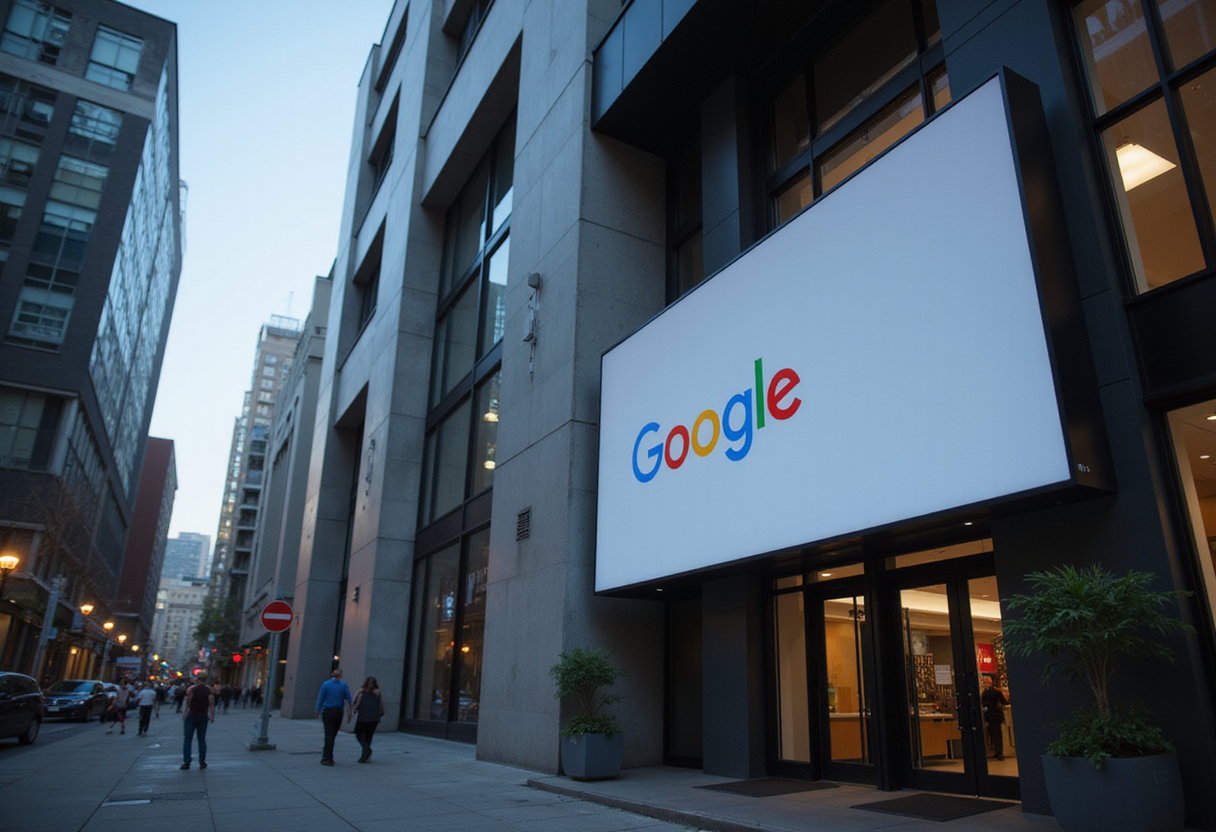
- The EU has won its long-running antitrust battle with Google, per a headline in The Economist this week.
- Brussels opened three formal probes against Google in 2017 covering Shopping, Android, and AdSense.
- EU fines across the three Google probes total roughly €8.2 billion to date.
- Google's Android fine appeal failed in 2022 and its Shopping fine appeal failed in 2024.
- The Commission issued a statement of objections on Google's broader adtech stack on June 13, 2023.
The European Union has prevailed in a long-running antitrust fight against Google, The Economist reported in a headline this week.
The outlet's title — "The EU wins a long antitrust battle with Google" — confirms a regulator's victory after more than a decade of cases, fines, and appeals. The full text sits behind The Economist's paywall. Our note summarizes what the headline tells us, plus the public-record numbers that frame the saga. We are flagging The Economist's headline, not speculating on what the General Court will print. Brussels opened the original file during Margrethe Vestager's first term as competition chief.
Which case did the EU just close?
The case belongs to the EU's longest-running tech fight. Brussels opened three formal probes against Google during 2017. They targeted Google Shopping, the Android mobile bundle, and Google AdSense for Search. Each ended in a multibillion-euro penalty from the European Commission. Together those fines totaled roughly €8.2 billion. Google contested every one of them in court.
Two appeals have already failed. The EU General Court upheld the Android penalty in 2022. It upheld the shopping-search penalty in 2024. That left the AdSense decision on appeal as the last open case. Most signs point to that AdSense appeal being what The Economist is reporting. A loss for Google would close the original three-case wave for good.
The AdSense fine dates back to March 2019 and totaled €1.49 billion. The Commission found Google abused its dominant position in online search advertising. Google argued that its contracts with publishers were standard industry practice. The Commission's theory: those exclusive deals locked competing ad platforms out of the search-ad market for years, raising prices for advertisers and shrinking publisher margins across Europe.
Why does this matter for U.S. publishers and SEO operators?
The ruling lands closer to home than Brussels. American publishers still depend on Google's exchange for the bulk of their display ad revenue. A confirmed EU win tightens transatlantic pressure on ad-tech pricing. U.S. publishers have already secured a partial judgment in a similar fight in New York. Marketers should expect ad-cost volatility once the EU press release lands publicly.
The SEO angle tracks Google's search product itself. EU scrutiny has chipped away at the levers Google can pull in Europe. Android defaults now face regulatory limits inside member states. Shopping units face pricing pressure. Search providers face contractual limits on AdSense tie-ins. None of it rewires Google's ranking algorithm directly. It does, however, change how Google monetizes the SERP across a market that still buys roughly a third of the company's European search ads.
What comes next in the EU's fight?
A General Court loss for Google would harden the Commission's leverage in separate cases now active. Brussels opened a fresh probe into Google's adtech stack in 2023. The Commission issued a formal statement of objections on June 13, 2023. That case targets Google's exchange, its ad-buying tools, and parts of DoubleClick. The Commission has warned of forced divestiture of the ad exchange itself.
If Google escalates the matter to the Court of Justice of the European Union, the appeal can stretch for years, which would buy Google's ad business meaningful time before any divestiture order could become enforceable.
Takeaway: the EU's first wave of Google fines is now fully enforceable. That sets the legal floor for the much larger fight over Google's adtech empire.
What to monitor next: the General Court's full press release, the confirmed fine figure in the headline ruling, and Google's public statement on whether it will appeal to the Court of Justice of the European Union. Google's appeal to the CJEU typically takes 18 to 24 months to resolve. The Commission's separate adtech breakup case is the larger tail risk for 2026.
via Google News: Google antitrust search (Source)
More from Olivia Hart
Show full bio
Staff writer covering money, funding and market shifts around Search rankings and algorithm updates, generative engine optimization at SERP Journal.
125 articles