Amazon Launches Text-to-Alexa Shopping After Blocking Meta's Muse
Amazon launched text-to-Alexa shopping for select U.S. customers on Friday, two months after blocking Meta's Muse agent from its site in September.
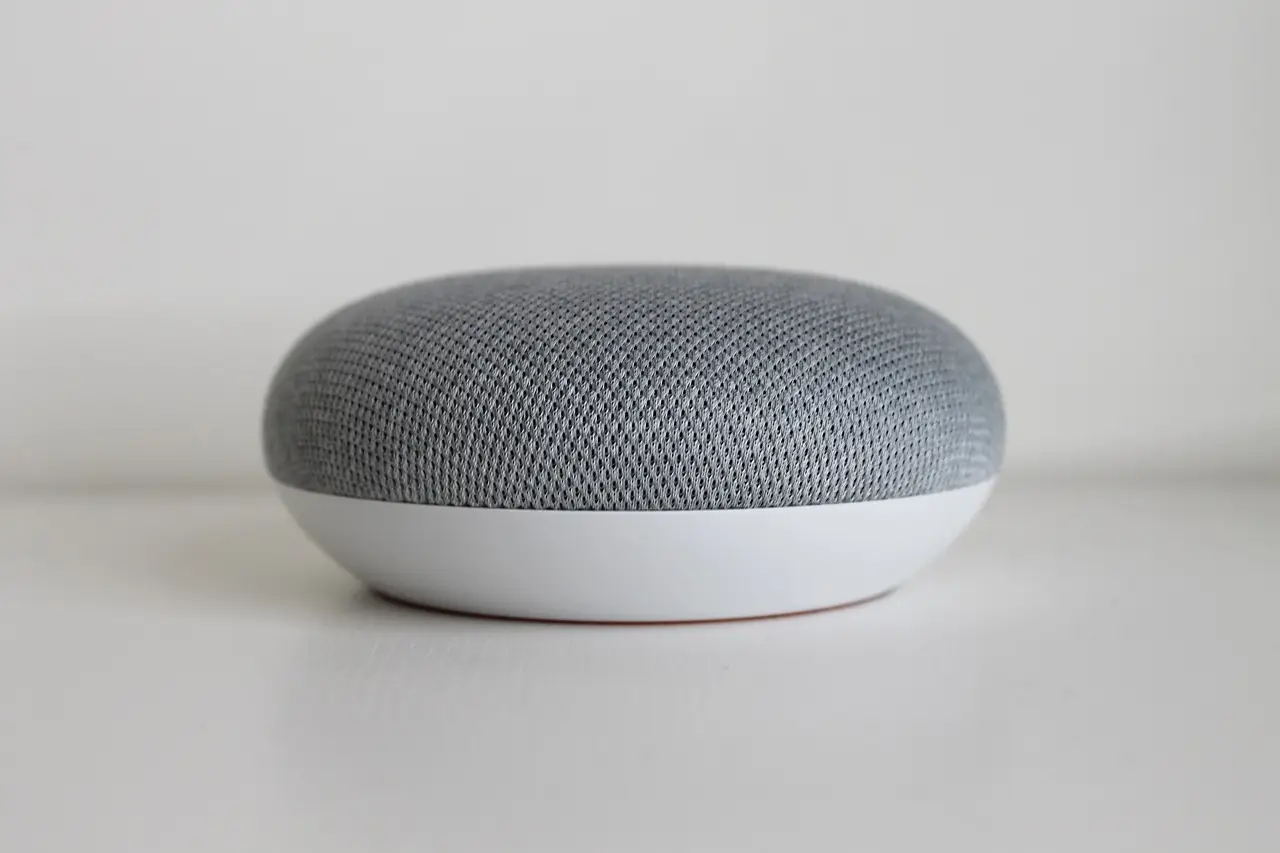
- Amazon launched text-based Alexa shopping for select U.S. customers on Friday, ahead of the holiday season.
- Amazon blocked Meta's Muse agent from querying its site in September.
- DoorDash said last month third-party AI agents had placed only hundreds of total orders on its platform.
- DoorDash launched its own text-based agent in September and will keep developing it.
- Non-invited users can join a waitlist; broader rollout comes in the following weeks.
Amazon launched a feature on Friday that lets select U.S. customers shop by texting its Alexa AI agent, two months after blocking Meta's Muse from querying its site in September.
The timing matters. Amazon rolled out the text-based shopping agent just before the start of the holiday shopping season, the busiest period for e-commerce. The move puts Amazon in direct competition with third-party AI agents such as Muse and Instinct, which let users shop across retailers through conversational interfaces.
How does the Alexa text shopping feature work?
Amazon said select U.S. customers will receive a text asking them to enable the shopping feature. Those granted access can text Alexa natural-language queries to shop on Amazon. The agent handles the full purchase funnel: searching for items, adding them to a cart, and completing purchases.
The text agent builds on recent shopping-focused upgrades to Alexa. According to Amazon, it can:
- Manage shopping lists
- Track prices over time
- Search for items across the web
- Compare products
- Check the status of orders
Users can also share a picture of an item, or of someone wearing an outfit, to search for similar listings on Amazon. Amazon said Alexa will learn individual users' preferences over time and suggest items accordingly.
Customers who do not receive an invitation can join a waitlist. Amazon said the feature will roll out more broadly in the coming weeks.
Why did Amazon block Muse first?
The launch follows a deliberate sequence. Amazon blocked Meta's Muse agent from querying its site in September, cutting off a third-party AI shopping path into its catalog. It then built its own equivalent, launched as the holiday season approached.
The pattern reflects a broader shift in how platforms handle consumer AI agents. As the market for these agents grows, platforms like Amazon are developing their own agents rather than letting outside intermediaries own the customer relationship.
DoorDash offers a parallel case. The delivery company said last month that third-party agents had placed only hundreds of orders in total on its platform so far — a small volume by any measure. DoorDash launched its own text-based agent in September and said it plans to concentrate on developing that product further.
What does this mean for search and shopping traffic?
For retailers and search marketers, the development signals where product discovery may be heading. If Alexa answers shopping queries by text and searches the web on the user's behalf, the agent becomes an intermediary layer between shoppers and both Amazon listings and external product pages.
The numbers sketch the stakes. Third-party agent orders on DoorDash remain in the hundreds, per the company's own statement — but both Amazon and DoorDash have now shipped first-party text agents within the same September-to-November window. That convergence suggests platforms see conversational shopping as a volume channel worth owning before competitors or outside agents claim it.
Amazon has not disclosed how many customers received invitations, what share of U.S. shoppers will get access in the broader rollout, or any usage targets. The company also did not say whether the text agent will surface results beyond Amazon's own marketplace when it searches the web.
What to monitor next: the breadth of the rollout in the coming weeks, whether Alexa's cross-web search sends referral traffic to external retailers or keeps transactions inside Amazon, and whether holiday-season usage figures emerge that quantify how many shoppers actually buy through text agents rather than apps and search boxes.
via techcrunch.com (Source)
More from Nathan Brooks
Show full bio
Senior reporter covering companies, deals and strategy in Search rankings and algorithm updates, generative engine optimization at SERP Journal.
230 articles