AI Reshapes Local Search, Yet Small Businesses Still Need Google
New research finds AI is reshaping local search, yet small businesses still need Google to turn discovery into customers — a dual-track reality for local marketers.
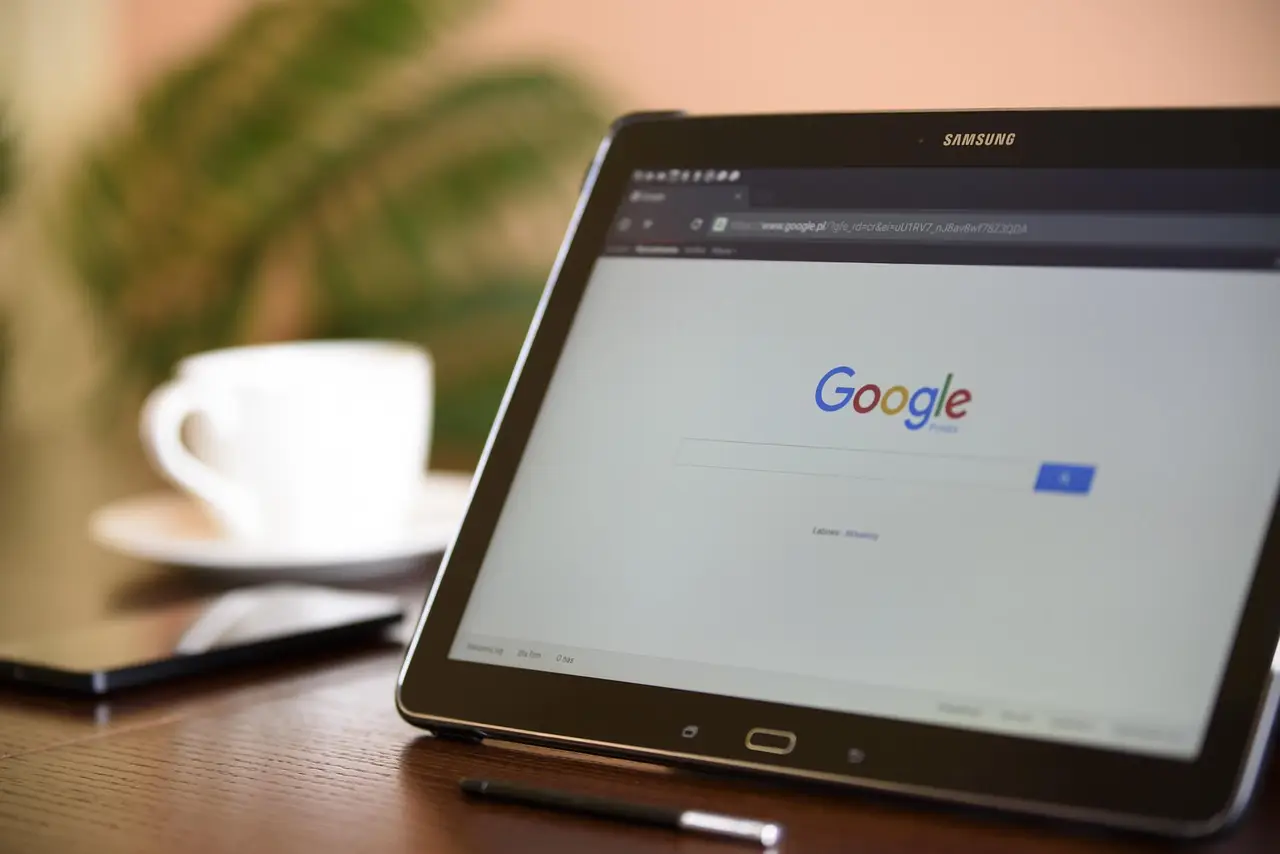
- Research finds AI is reshaping how consumers discover local businesses
- Despite AI's rise, small businesses still need Google to win customers
- Finding frames AI discovery and Google conversion as parallel, not competing
- No sample size or percentages disclosed in the reported research
New research finds AI is reshaping how local search works — but small businesses still need Google to win customers. That's the core finding reported by WBOC TV, and it lands at a moment when many local operators wonder if AI tools are replacing the search box.
The headline finding splits the story in two. AI is changing the way people discover local businesses. At the same time, Google remains the channel that actually converts discovery into paying customers for small businesses.
We don't have the study's sample size or percentages in front of us. So treat this as a directional finding, not a quantified one. Here's what we can say with confidence, and where the open questions sit.
What does the research actually claim?
Two things, clearly separated:
- AI is reshaping local search. Consumer behavior around finding nearby businesses is shifting as AI tools enter the mix.
- Small businesses still need Google. Despite that shift, Google remains the platform where small businesses win customers.
The framing matters. This isn't an "AI replaces Google" story. It's a "both are true at once" story, and that's the harder one for local marketers to act on.
Why the tension is real
Local search has always been a two-step process. First, a customer discovers a business. Then they choose it. AI tools can disrupt step one — answering questions, summarizing options, recommending places — without a user ever seeing a business's website.
Step two is different. Booking, calling, checking hours, reading reviews, comparing prices: those actions still run heavily through Google's ecosystem, from the search results page to Google Business Profile listings.
That's the mechanism behind the research's framing. AI changes the front door. Google still owns much of the checkout counter.
What should small businesses do with this?
The practical read is a dual-track strategy:
- Keep investing in Google presence. Business Profile accuracy, reviews, local rankings — these still drive customers, per the research.
- Watch AI-driven discovery. How AI assistants describe and recommend your business increasingly shapes whether you make the candidate list at all.
For verticals like restaurants, home services, and healthcare — where local intent is strongest — the Google dependency is likely deepest, since those purchases still hinge on proximity, reviews, and trust signals Google surfaces well.
Confirmed vs. speculation: what to watch
Confirmed: the research's central claim that AI is reshaping local discovery while Google remains the customer-acquisition channel for small businesses.
Not yet confirmed: how fast the shift is happening, which AI tools matter most, and whether Google's own AI features — like AI Overviews in local results — count as "AI reshaping search" or as "Google winning anyway." The reporting doesn't draw that line, and it's the line to watch next.
The takeaway in plain words: AI is changing how people find you, but for now, Google is still how they choose you — and the businesses that treat those as two separate games, rather than one, will be positioned best as the data firms up.
By Olivia Hart for SERP Journal.
via Google News: local SEO (Source)
More from Olivia Hart
Show full bio
Staff writer covering money, funding and market shifts around Search rankings and algorithm updates, generative engine optimization at SERP Journal.
163 articles